Companion Planting – What Gets Along with Cabbage?

Plants have organic material that has an impact on other plants and insects. There may be substances in the root that effects the soil for the other plants or in the flowers that attracts/repels certain insects.  Companion planting is a holistic and natural approach to gardening. There are resources to help you know what to pair with every plant, and this blog is focussed specifically on friends of cabbage.

We have identified 5 tips for knowing what to pair with cabbage:

  • Cabbage neighbors should be onions, potatoes, nasturtiums and aromatic herbs
  • Aromatic herbs, such as dill, chamomile, sage, thyme, mint, pennyroyal, rosemary, and lavender will help repel cabbage worms/butterflies
  •  Plant Mint: The odoriferous members of this family, especially catnip, help to repel aphids and cabbage pests. Be advised that certain mints can grow out of control and take over a garden space. To make sure you do not start a new problem by fixing an old one, you can grow mints in containers and place around your garden.  We do this for many herbs so they can be workhorses anywhere in the garden we need them.
  • You can also plant with other braccicas (collards, kale, cauliflower, etc.) as they all get along well. If you do plant these together, we recommend starting them under row covers to help prevent attracting cabbage butterflies and other bugs who like this family of plants.
  • Bad neighbors for cabbage are:  strawberries, tomatoes, peppers, eggplants, rue, grapes, lettuce, and pole beans.


What Type of Composting Bin is Best for Me?

Photo of adding kitchen scraps to compost

Composting is a natural process that breaks down organic matter; such as food, leaves, and grass into material which is beneficial for gardens.

Though this happens naturally, the process can be helped along for a better outcome.  There are various methods for composting, such as turning units, heaps, holding units, worms, and soil incorporation.

The appropriate method is based on the materials being composted, the timing and space available.

Read these tips for choosing the best composting method:

  1. Consider your budget. You can buy composting bins that suit your needs, but you can also make your own.
  2. Assess available space. You need enough space for your composting bins and may want at least one of them convenient to your kitchen for easy access. You also need to know how much garden space to compost for; this will help you determine how much compost you need and how large or how many bins to have.
  3. Make sure the bin has proper ventilation on the top and sides, with easy access.
  4. You may want to have more than one bin so that you do not over produce from one particular source, such as kitchen scraps.
  5. We recommend a composting bin that is made yourself, to fit your space, using old construction materials that would end up in the landfill.
simple home made circular single compost bin

Simple circular bins can be made to almost any size to fit your space.

Composting bin made from discarded pallets

Compost bins can be made from discarded palates.

One option is to leave them open like in this photo.

Or you can use the palates as supports for wire screening, mesh etc. to keep critters out.

Get more compost info …

Last Quarter, Moon in Scorpio the next two days

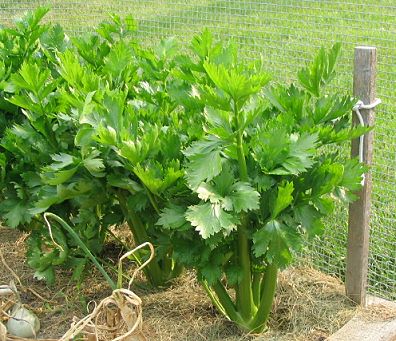
Celery

With the moon in the last quarter, in the sign of Scorpio on March 13th and 14th,  it is an excellent time to start building a new compost heap.

Scorpio is a water sign, so this is a good time to sow Leaf plants like cabbage, celeriac, celery (doctrine of signatures here, since celery regulates the water/sodium balance in the body), dill, lettuce, and  spinach to name a few.
If you are putting a a rhubarb patch, this would be a good time to plant them too.
This is not e a good time to sow fruiting plants, including the fruiting vegetables, like tomatoes, eggplant, cucumbers, etc.